The number-one driver of burnout in 2026 isn't workload — it's the inability to ever fully step away from work. The phone in the pocket. The Slack notification on the watch. The Sunday-night dread that begins on Sunday afternoon.
HR teams have spent the last decade adding more benefits to the pile: meditation apps, wellness stipends, mental health days. These help. They are not enough. The deeper move is cultural — leaders who model real disconnection, norms that make it safe to actually log off, and at least one annual event where the team practices being together without screens.
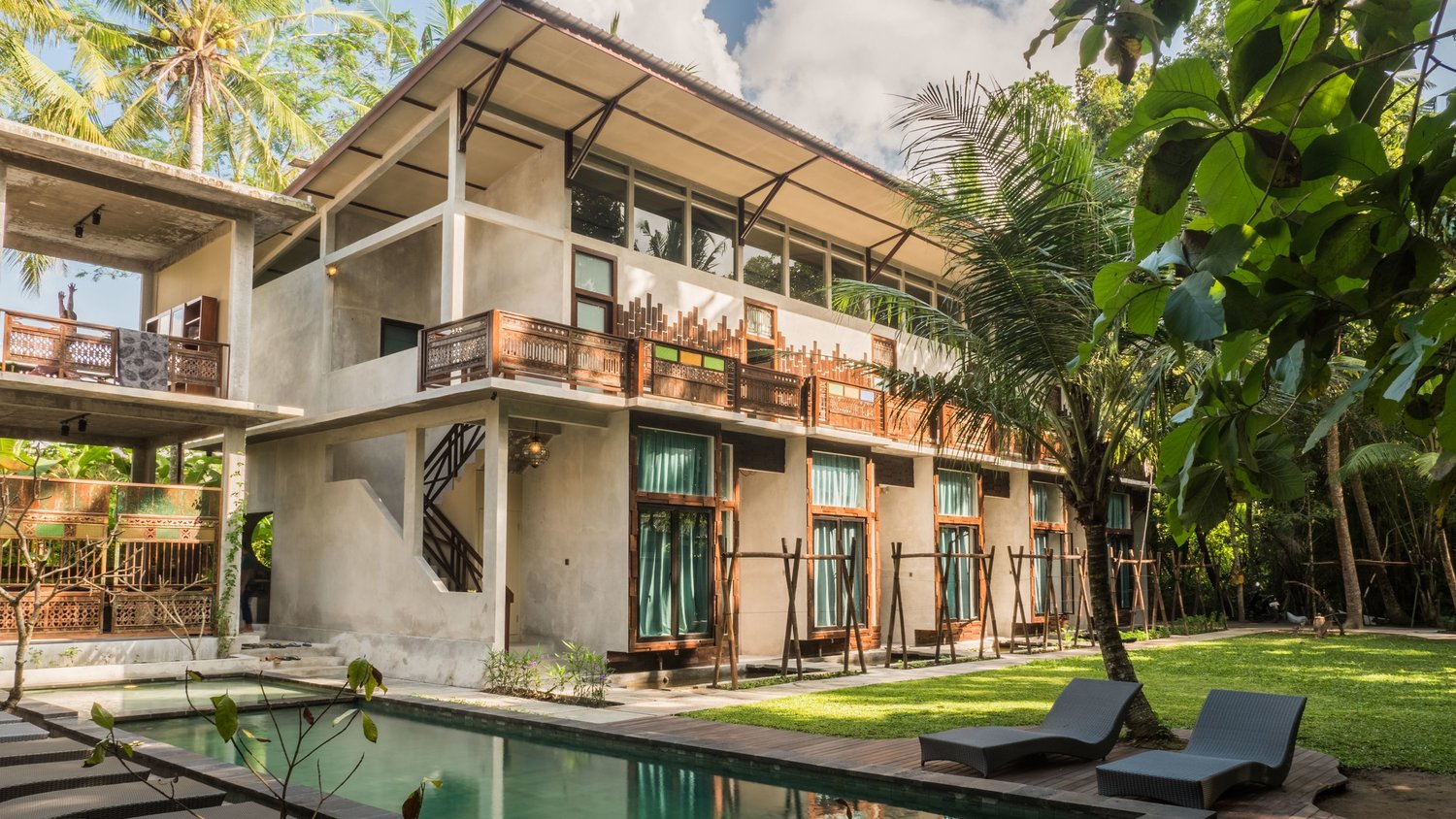
We've built our retreat programs around a deceptively simple practice: phones go in a basket at check-in. For most participants, the first 24 hours are uncomfortable. By day three, they're sleeping eight hours, eating slower, and remembering things they'd forgotten they cared about. By day five, they don't want them back.
You don't need to fly your team to a jungle to start. Begin with a single Friday afternoon where calendars are blocked and chat is muted. Run a quarterly all-hands without a single screen on. Make your leadership team take their vacation — and watch them actually take it.
The companies that get this right are also the ones that show up on every "best places to work" list. It's not a coincidence. People stay where they're allowed to come back to themselves.